|
Technology: Power from the People
Power - and water - from the people
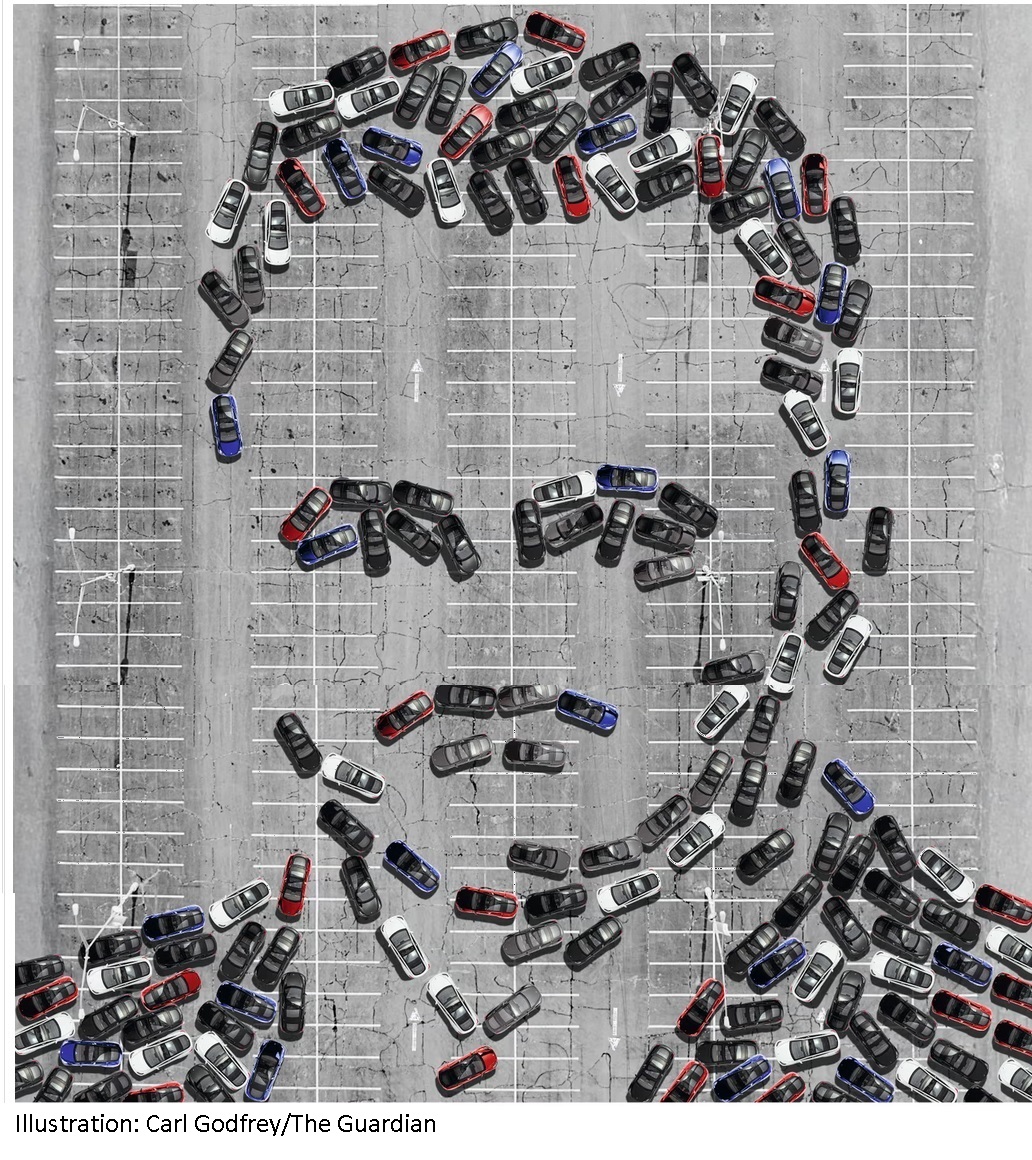
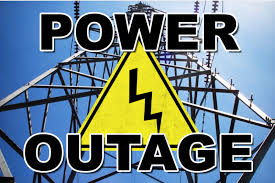
As the extraordinary demands on both electricity and water that Artificial Intelligence rollouts are inflicting on already stretched demands placed by crypto mining and the cloud it is time to better balance business requirements with consumer needs.
I wonder how many consumers understand that each new technological development is creating a chasm between corporate utility consumption what is left and at what price for consumers.
There is no way to stop or slow technical advancement sand neither should there be but it is time to insist that before a utility hungry product is launched the utilities are provided by the launching company.
As an ironic footnote here is Google's own AI report on energy usage:
Factors Contributing to Energy Use of data centers:
Redundancy: Data centers are designed with multiple redundancies (backup systems, cooling, power) to ensure continuous operation, even when failures occur, which consumes energy.
Cooling: A large portion of data center energy is used to cool down the servers and other equipment to maintain optimal operating temperatures.
Computational Processes: While a portion of energy is used for active computational processes, a significant amount goes towards maintaining the redundant systems and cooling.
Generative AI: The increasing use of generative AI is driving a surge in data center energy consumption, as these technologies require significant computational power. Power from the people:
Cocaine: the damage in Small Town USA

The scourge of cocaine is far too prevalent in Santa Cruz, California and not enough is being done to stop the substance being sold which some say is as common as alcohol and a 'line' as likely to be one on a bar counter as a shot glass..
Zelle payments make it easy for dealers to transact this highly lucrative $100 a gram home-delivery business confidentially. Professionals such as attorneys pay with cash and the not so affluent pay with whatever they have to offer, and as long as this white gold continues to go up noses society will continue to slide downhill.
Consider the following Santa Cruz drug statistics:
In 2013, about 23 percent of teens and young adults reported using an illegal drug within the past month.
Of those, about 27 percent of females reported needing help due to illicit drug use.
Only 18 percent of males reported needing help.
In the entire state of California, only 18.5 percent of adults seek help for drug and alcohol abuse, causing the statistics significantly higher for Santa Cruz County.
WHY is the US one of the few countries where tax is not included in prices. Here is a NONSENSE and contradictory AI overview

State and Local Tax Systems
Hiring Drops Dramatically BUT not because of Tariffs- which area a tariffic idea - BUT because of AI deployment to fill sackings

Hiring has shown signs of slowing in certain sectors due to the increasing integration of AI technologies.
AI Impact on Job Markets
Automation of Tasks: AI can automate routine tasks, leading some companies to reduce hiring for roles that are easily replaced by technology.
Sector Variability
Tech Industry: Some tech companies are hiring more for AI-related positions, while others may slow down overall hiring due to economic uncertainty.
Manufacturing and Services: Industries that rely heavily on manual labor may experience a slowdown as AI tools improve efficiency.
Historical Context
Shift in Skill Requirements: There is a growing demand for workers with skills in AI and data analysis, while traditional roles may see decreased demand.
Why Sales Tax MUST be included in prices
This practice can help consumers compare prices more easily across different retailers.
The U.S. has a long-standing tradition of itemized pricing, which has influenced consumer expectations.
Regulatory Differences
The U.S. does not have a national sales tax, leading to a patchwork of local tax regulations.
Consumer Behavior
In contrast, countries with value-added tax (VAT) often include it in the displayed price, simplifying the purchasing process.
U.S. consumers are accustomed to seeing prices before tax, which can affect purchasing decisions.
This pricing approach is a reflection of the U.S. tax system and consumer culture, which prioritizes transparency in base pricing.
Some argue that including tax in the price could lead to confusion or dissatisfaction at the checkout.
Many countries with included taxes have different tax structures or VAT systems that are integrated into pricing.
Sales tax is imposed at the state and local levels, varying widely across jurisdictions.
Consumer Transparency
Each state sets its own tax rate, and some cities or counties may add additional taxes.
|
California Madness: Is Los Angeles Encouraging the Undocumented by Handing Out Cash Cards, as PGE Offers Rebates to Low Income Buyers of Used EV's"

Los Angeles is handing out cash cards to families impacted by ICE raids, all while the city’s own citizens watch from the sidelines and wonder when they’ll get relief for their own skyrocketing bills and taxes.
-
Los Angeles is distributing cash cards to families hit by recent ICE raids, using money from private donors, not city funds.
-
Mayor Karen Bass and advocacy group CHIRLA are spearheading the program as the city’s $1 billion budget deficit looms large.
-
Eligibility criteria remain unclear, but the program’s main goal is to help undocumented families avoid eviction and financial ruin.
-
The move comes as federal authorities ramp up enforcement and deportations under President Trump’s second term.
-
The city’s direct aid to undocumented immigrants is reigniting debate about sanctuary cities and the use of public resources.
Mayor Karen Bass is at it again, signing an executive order to send out cash cards—each loaded with “a couple hundred” bucks—to families affected by the latest wave of ICE raids. The catch? Not a penny comes from the city’s own depleted coffers. Instead, the money flows from unnamed philanthropic donors, funneled through advocacy organizations like CHIRLA. All of this, naturally, while Los Angeles faces a budget deficit of about $1 billion and local citizens continue to feel the pain of inflation, high taxes, and shrinking city services. The city’s official line is that the program will prevent mass evictions and ensure “community stability” by helping undocumented families who lost income when relatives were detained. But for law-abiding Angelenos who can’t get city help for their own emergencies, the message is loud and clear: if you’re here legally and struggling, get in line behind the latest progressive pet project.
The cash card program is modeled after the “Angeleno Card” scheme cooked up during the COVID-19 pandemic, which similarly bypassed city resources and targeted undocumented populations. Now, as ICE operations intensify under Trump’s revived enforcement orders, city leaders are doubling down on their sanctuary city credentials. The most vocal supporters are the usual suspects—immigrant advocacy groups and progressive nonprofits—who argue that direct cash handouts are a “humane” way to address what they call a humanitarian crisis. The mayor has assured critics that no city resources are being diverted, but that does little to blunt the sense that local government is prioritizing non-citizens over the needs of taxpaying Americans.
The details of who exactly qualifies for these cash cards remain a mystery. The city says it’s still working out the eligibility requirements and distribution logistics with CHIRLA and other partners. The only thing that’s certain is that the direct aid targets families losing income due to ICE detentions. The mayor’s office insists that this is an urgent response to families facing eviction and financial hardship. But let’s be honest: when was the last time the city rolled out a private donor cash card program for American citizens displaced by wildfires, floods, or even rising rents? For those who’ve paid into the system for decades, the optics are appalling—especially as federal immigration enforcement is stepping up, with new record-breaking deportation targets and threats of penalties for sanctuary jurisdictions.
The city’s alliance with advocacy groups like CHIRLA is nothing new. These organizations have long opposed federal immigration enforcement and lobbied for greater protections and benefits for undocumented residents. Now, with local government acting as intermediary, they can push their agenda even further, offering direct financial support to those caught up in immigration raids. The result? A program that’s likely to shore up the city’s “sanctuary” reputation while stoking fresh outrage among taxpayers and law enforcement advocates.
As President Trump’s administration moves to make good on campaign promises—expanding expedited removals, slashing discretionary immigration programs, and leaning on local law enforcement to cooperate with ICE—Los Angeles is digging in its heels. The city’s move to hand out cash to families of those detained by federal authorities is, depending on your perspective, either a compassionate workaround or a flagrant act of resistance against federal law. Either way, it’s another chapter in the long-running battle between local progressives and the federal government.
The broader implications are hard to ignore. On one side, the city’s cash card program might offer a short-term lifeline Article source
PG&E's Mixed Message: Cut Power Usage and
Low Income Families Receive a Rebate for Buying a Used EV

If you're a PG&E electric customer in California and are considering purchasing or leasing a used electric vehicle (EV), you may be eligible for rebates through their Pre-Owned EV Rebate program.
Eligibility for Rebate Plus: You may qualify for the Rebate Plus option if you meet specific income-based requirements or are enrolled in certain public assistance programs like CalFresh/SNAP, WIC, or income-qualified Medi-Cal. You can find detailed information on eligibility and the income limit table on the PGE Program Requirements page.
Rebate Plus Option: Income-qualified applicants may receive a $4,000 rebate.
Standard Option: Eligible applicants can receive a $1,000 rebate.
Two Rebate Levels: The program offers two levels of rebates based on your household's income level at the time of purchase or lease.
You cannot receive a PG&E Pre-Owned EV Rebate if you or a co-owner have already received a rebate for the same vehicle from the Southern California Edison (SCE) Pre-Owned EV Rebate, the San Diego Gas & Electric (SDG&E) Pre-Owned EV Rebate, or the California Clean Fuel Reward (CCFR).
Rebate funds are limited and available on a first-come, first-served basis.
You can receive a maximum of three rebates per individual applicant and per household for the life of the program.
PG&E customers who only receive gas services from the utility are not eligible for these EV rebates.
In addition to the Pre-Owned EV Rebate, PG&E also offers a Residential Charging Solutions Rebate for income-eligible households, providing a $700 rebate on approved EV charging equipment.
Important Notes:
Application Process: You must purchase or lease an eligible pre-owned EV and submit your application within 180 days of the purchase or lease date. The application requires documents like proof of vehicle registration, your driver's license, and the vehicle purchase or lease agreement.
Eligible Vehicles: Only pre-owned (used) Battery Electric Vehicles (BEVs) or Plug-in Hybrid Electric Vehicles (PHEVs) listed on the California Air Resources Board's HOV Eligibility list are eligible.
For complete details, including eligibility requirements, a list of qualified public assistance programs, and how to apply, please visit the PGE Pre-Owned EV Rebate website and the PGE Residential Charging Solutions website. You can also explore the PGE EV Savings Calculator to assess which EV electricity rate might be best for you..
Soft Drinks Makers Current Sugar Shortage Makes For Not so Sweet Switchover

Coca Cola and others are pledged to switch out high fructose corn syrup for sugar but the US does not produce enough to supply the drink makers. Is that because the Hawaiin islands ploughed under the plantations to build estates for the Winfreys, Zuckerbergs, Elisons and other glitterati?
Why Hawaii's sugar plantations have disappeared
HONOLULU - The owners of Hawaii's last sugar plantation say they're getting out of the sugar-growing business. Miles of sugar cane fields once spread across the islands, providing work to thousands of immigrants and shaping Hawaii life. Soon, they'll be gone.
Here's an explanation of why sugar grew to dominate Hawaii and why it faded. article source
|
"5G or Not 5G" That is the Question?
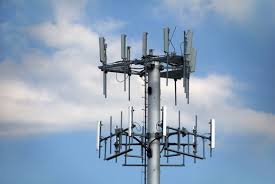
Some months back I switched my iPhone 7 for a iPhone SE series 2. I had not wanted to but my 4G phone was becoming unreliable due to all of the 4G masts had been switched to 5G (except for a singe mast at our local airport 2 miles away as the FAA banned 5G at airports).
It was a waste of effort on my part as thanks to AT&T having no masts in my area - some 40 miles from Silicon Valley - the SE performs worse than the phone I gave up And it's not just where I live as nowhere can I find more than 2 bars - unless I am close to WiFi.
Ten years ago when I called AT&T to as why I had not been able to get a signal on Haight in San Francisco, in confidence, a technician told me that Verizon had snapped up the majority of San Francisco mast locations. Ironically AT&T's HQ is in San Francisco
As far as Imports Go, This Just About Takes the (Chinese) Biscuit
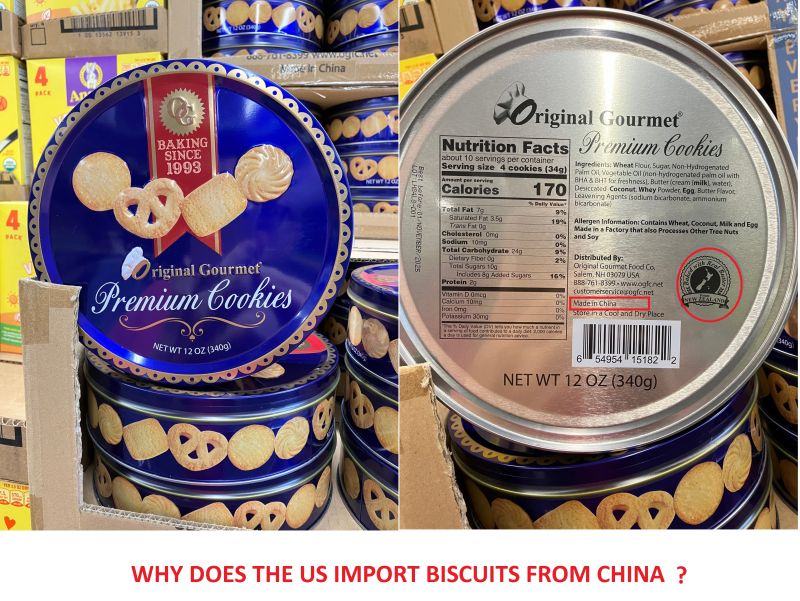
At what point do imports become totally nonsensical or crazy? Well I do believe we are there because I can understand importing car parts, furniture, shoes, computers, televisions and clothes because American corporations long ago hollowed out these industries, but out-sourcing biscuits for a bakery company must be one of the craziest long distance ever. And the icing on the biscuit this company has the audacity to incude "original' on the lid.
Ending on a more positive note cookies don't catch fire on the high seas.
The Arena Where the Minority Has Become the Majority is in the UK.

Nearly half of UK TV viewers say ethnic minorities over-represented. YouGov poll also finds that 44 per cent believe LGBT people are more represented on screen than in the population as a whole...Andrew Ellson
Tuesday February 28 2023, 6.30pm GMT, The Times
Forty-five per cent of people in the UK believed that ethnic minorities were more represented on television than in the population.
Nearly half of viewers believe ethnic minorities and LGBT communities are over-represented on television.
A YouGov survey found that Britons were more likely than other nationalities to believe their country’s broadcast media did not accurately reflect the make-up of society.
Forty-five per cent of people in the UK believed that ethnic minorities were more represented on TV than in the population. Only 26 per cent of Britons thought ethnic minorities were under-represented.
The reverse was true in each of the other six countries surveyed. In France, only 19 per cent of the population thought ethnic minorities were over-represented on TV, while 33 per cent thought that they were under-represented.
Data from the 2021 census revealed that 18.3 per cent of the population in England and Wales identified as an ethnic minority, while 81.7 per cent said they were white — amounting to 48.7 million people. The Times
California Governor's High Speed Failway - Shorter but Not Sweeter

A history of budget excess
California's High-Speed Rail (CAHSR) project, initially conceived to connect major metropolitan areas like San Francisco and Los Angeles with a fast and efficient rail line, has been plagued by significant budget overruns and delays since its inception. The project's estimated costs have skyrocketed, leading to concerns about its viability and the effective use of taxpayer dollars.
Early projections and current reality
When approved by voters in 2008, the project was envisioned to be completed by 2020 at a cost of $33 billion.
Current estimates for the full system now exceed $100 billion, with some reports placing the cost as high as $135 billion.
Factors contributing to budget overruns
Several factors have contributed to the escalating costs and delays:
Construction challenges:
Significant issues have arisen with land acquisition, utility relocation, and unforeseen engineering complexities, particularly in the Central Valley, leading to numerous costly change orders and delays.
Design-build approach:
Starting construction before completing the detailed design led to extensive modifications and rework, further inflating costs.
Overreliance on consultants:
The project's dependence on consultants for contract management and other crucial tasks has been criticized as inefficient and contributing to higher expenses, according to a California State Auditor report.
Funding uncertainty:
The project has faced a lack of consistent funding, with reliance on fluctuating state and federal contributions. The recent termination of approximately $4 billion in unspent federal funding by the Trump administration in July 2025 further exacerbates the financial challenges.
Funding outlook
Inflation: Increased inflation has added billions to the project's costs, particularly for the Merced to Bakersfield line.
While the federal government has awarded grants totaling over $3.4 billion in recent years, it has also raised concerns about the project's ability to meet deadlines and manage its budget, leading to the termination of the $4 billion in federal funds.
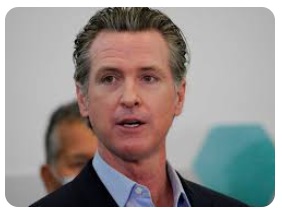
California's Governor Gavin Newsom has proposed extending the state's cap-and-trade program as a significant source of funding, aiming for $1 billion annually through 2045.
Future implications:The substantial budget overruns and delays raise serious questions about the project's future. The current financial challenges and the termination of federal funding pose significant hurdles. While state officials remain committed to completing the Central Valley segment, the long-term feasibility and funding for the full San Francisco to Los Angeles high-speed rail line remain uncertain.
Attracting private investment is also being explored, with the state aiming to demonstrate a stable commitment to attract such partnerships.
The initial focus has shifted to completing a shorter segment in the Central Valley, from Merced to Bakersfield, which itself is projected to cost upwards of $35 billion, exceeding its original segment estimates by a significant margin.
|